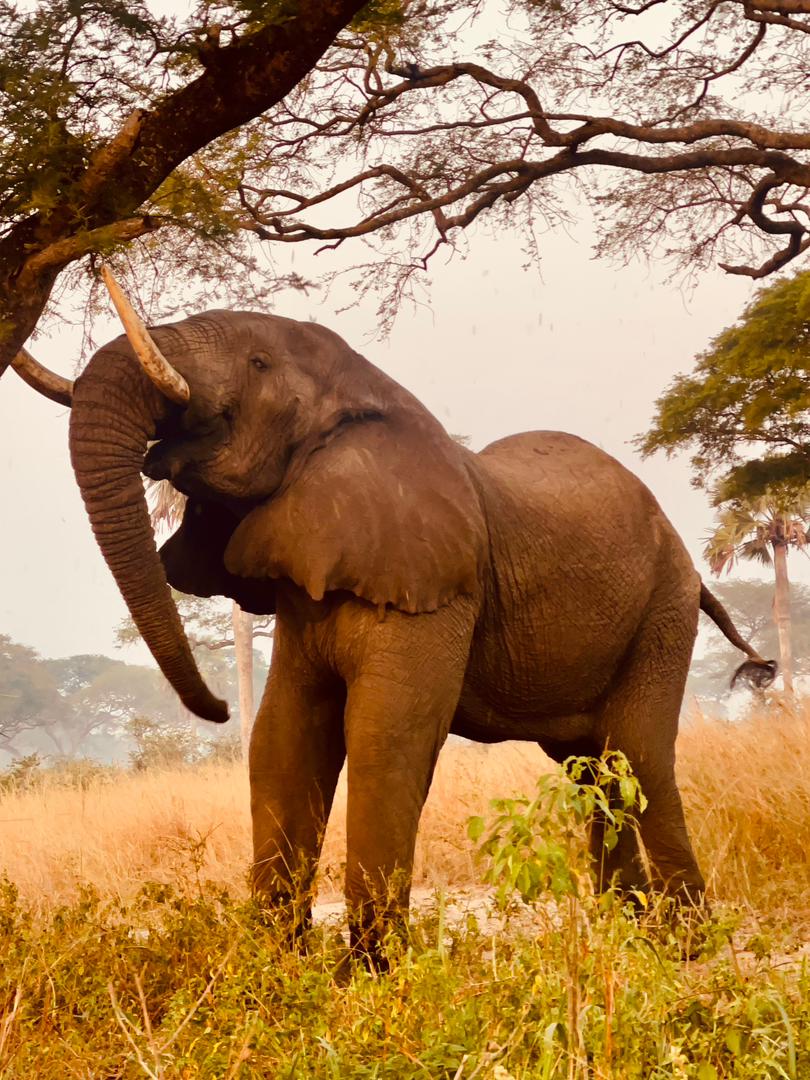
How the Gentle Giants Live Their Remarkable Lives
Elephants are among the most fascinating animals on Earth. Known as gentle giants, they are the largest land mammals and play a vital role in maintaining healthy ecosystems. Their intelligence, strong family bonds, and unique way of life make them truly special.
In this blog, we’ll explore how elephants live, from their daily routines to their social behavior and survival skills.
Elephants are found in Africa and Asia, living in a variety of habitats such as:
- Grasslands
- Forests
- Savannahs
- Wetlands
African elephants usually prefer open spaces, while Asian elephants often live in dense forests. Access to water and food is essential, so elephants migrate when resources become scarce.
What Elephants Eat
Elephants are herbivores, meaning they eat only plants. An adult elephant can eat up to 300 pounds of food per day.
Their diet includes:
- Grass
- Leaves
- Bark
- Roots
- Fruits
Elephants use their long trunks to grab food, drink water, and even feed themselves with surprising precision. Because they eat so much, elephants spend most of their day foraging and grazing.
Family Life and Social Structure
Elephants are highly social animals and live in close-knit family groups called herds. These herds are usually led by the oldest female, known as the matriarch.
Elephant families:
- Protect and care for calves together
- Communicate using sounds, touch, and body language
- Show emotions such as joy, grief, and empathy
Male elephants usually leave the herd when they grow older 12-14 years and live alone or in small groups.
Daily Life of an Elephant
A typical day in an elephant’s life involves:
- Eating for many hours
- Walking long distances in search of food and water
- Bathing in rivers or covering themselves in mud to stay cool and protect their skin
Elephants are active both during the day and at night, especially in cooler temperatures.
How Elephants Communicate
Elephants have a complex communication system. They use:
- Trumpeting sounds
- Low-frequency rumbles (some too deep for humans to hear)
- Ear movements and trunk gestures
These sounds can travel over long distances, helping herds stay connected.
Why Elephants Are Important to Nature
Elephants are known as “ecosystem engineers.” They help the environment by:
- Creating paths through forests
- Spreading seeds through their dung
- Digging for water, which helps other animals survive
Without elephants, many ecosystems would struggle to stay balanced.
Challenges Elephants Face
Despite their size and strength, elephants face serious threats:
- Habitat loss
- Human-wildlife conflict
- Poaching for ivory
Conservation efforts are crucial to protect these animals and ensure future generations can witness their beauty.
Conclusion
Elephants live rich, complex lives filled with family bonds, communication, and purpose. Their intelligence and role in nature make them one of the most important animals on our planet. By understanding how elephants live, we can better appreciate the need to protect and respect them.