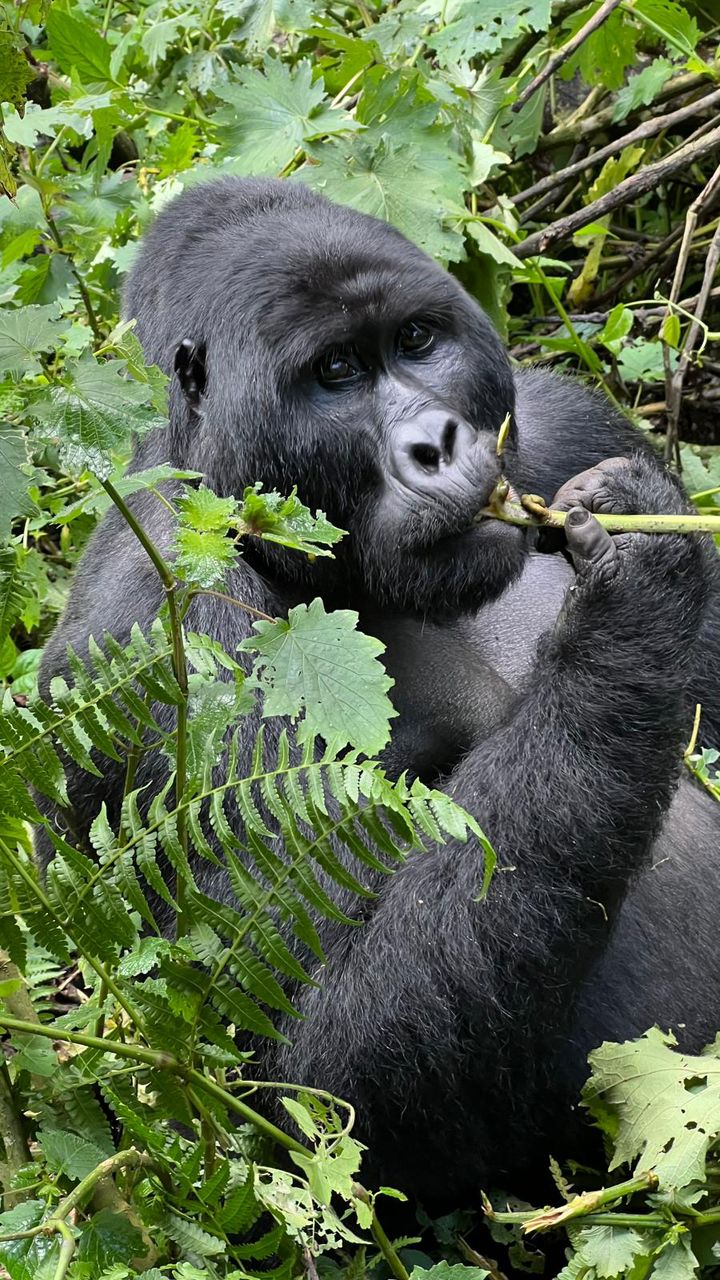
How Difficult Is Gorilla Trekking? What to Expect
Many travelers planning a gorilla safari often ask:
- How difficult is gorilla trekking?
- How long does it take to see the gorillas?
- Am I fit enough for gorilla trekking?
These are valid questions. While gorilla trekking is one of the most rewarding wildlife experiences in Africa, it is very different from a typical game drive or a visit to a zoo.
Gorilla trekking involves hiking through dense tropical forests, crossing streams, navigating hills and valleys, and pushing through thick vegetation. It can be physically demanding, especially for those who are not used to long walks or uneven terrain. Trekkers may encounter mud, thorns, biting insects, rain, and sometimes high altitude, all of which add to the challenge.
That said, the activity is more about mental preparation than extreme physical fitness. Conditions can be unpredictable, and plans may change at short notice, which is common in remote wilderness areas. Despite the challenges, over 98% of trekkers successfully complete the trek and consider it well worth the effort.
Why Some People Love the Challenge
For many travelers, the challenge is what makes gorilla trekking so exciting. Hiking through untouched forest, spotting birds and smaller primates, enjoying breathtaking scenery, and experiencing true wilderness all add to the adventure.
Some visitors even say they were disappointed to find the gorillas too quickly because they missed the thrill of trekking deeper into the forest. Every trek is unique, and no two experiences are ever the same.
How Long Does Gorilla Trekking Take?
The duration of a gorilla trek is highly unpredictable. It can take anywhere from 30 minutes to 7 hours to locate a gorilla family.
Several factors affect trekking time:
- The gorilla family you are assigned
- The location of the gorillas on that particular day
- Weather conditions
- Terrain and forest density
Some gorilla families live closer to park headquarters or lodges, while others roam deeper into the forest. In some cases, gorillas may keep moving before finally settling. This is especially common during the gorilla habituation experience, where gorillas are still getting used to human presence.
Visitors tracking gorillas for multiple days will often notice differences in trekking time and gorilla behavior each day. Choosing accommodation close to your assigned trekking sector is particularly important in Bwindi Impenetrable National Park.
Where Gorilla Trekking Takes Place
Gorilla trekking is offered in four national parks:
- Bwindi Impenetrable National Park (Uganda)
- Mgahinga Gorilla National Park (Uganda)
- Volcanoes National Park (Rwanda)
- Virunga National Park (DR Congo)
Each park presents different challenges:
- Bwindi: Thick forest, rivers, streams, and steep terrain
- Mgahinga & Volcanoes: Higher altitude, bamboo forests, misty conditions
Preparing for Gorilla Trekking
Proper preparation greatly improves your experience. Be sure to carry:
- Sturdy hiking boots
- Long trousers and long-sleeved shirts
- Rain jacket or poncho
- Hat and gloves
- Insect repellent and sunscreen
- Sunglasses
- Light snacks and enough drinking water
If you are elderly or less fit, inform your tour operator early so an easier gorilla group can be assigned. During peak seasons, closer gorilla families sell out quickly.
Fitness Level – How Fit Do You Need to Be?
You do not need to be an athlete to go gorilla trekking. Most trekkers have average fitness levels. The activity is manageable with:
- A positive mindset
- Taking breaks when needed
- Moving at a steady pace
Elderly travelers and those with physical limitations can still participate. Options include:
- Hiking sticks (provided free at the park)
- Porters, who assist with bags and difficult sections
- Sedan chairs, carried by porters (recommended for the elderly or disabled)
Porters are highly recommended even for fit travelers, as they provide support on steep or slippery sections and make the trek more enjoyable.
How to Improve Your Fitness Before the Trek
Even if you are reasonably fit, preparing your body in advance is important.
Stretch Regularly
Stretching improves flexibility, reduces muscle soreness, and helps prevent injuries.
Practice Walking and Hiking
- Walk long distances regularly
- Practice on hills or uneven terrain if possible
- Increase distance gradually
- Train using the same shoes and gear you plan to use
This helps your body adjust to long walks and carrying weight.
Final Thoughts – Is Gorilla Trekking Worth It?
The difficulty of gorilla trekking depends on:
- Your fitness level
- The gorilla family assigned
- Weather and terrain on the day
Park rangers always move at the slowest pace in the group and ensure no one is left behind. Advance tracking teams locate the gorillas each morning, which is why the success rate of seeing gorillas is extremely high.
As long as you are healthy and free from contagious diseases, almost anyone can go gorilla trekking. With proper planning and support, even elderly and physically challenged travelers can enjoy this once-in-a-lifetime experience.
No matter how long or challenging the trek is, seeing mountain gorillas in the wild is unforgettable and worth every step.